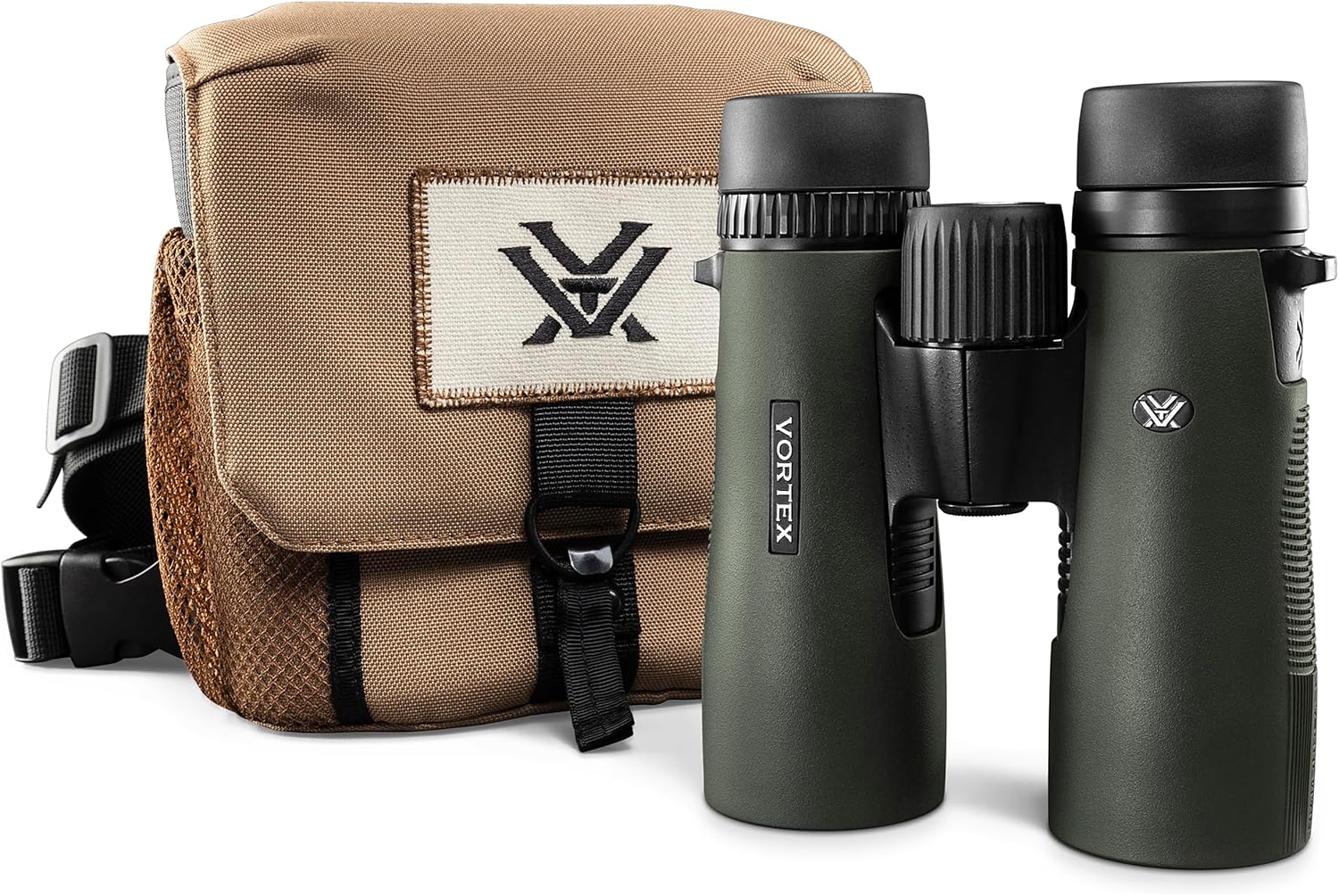
Best Binoculars for Wetland Birding 2025
HomeGearBudget (Under $300) vs Mid-Range ($300–$800) vs Premium ($800+)
🔭 Binoculars · Gear Guide

Best Binoculars for Wetland Birding 2025

Wetland birding demands waterproofing, brightness, and reach.

Best for wetlands
Vortex Viper HD 10x42

Quick verdict: Wetland birding requires waterproof and fogproof construction above all — combined with 10x42 or 10x50 magnification for distant waders and ducks. Our top pick is the Vortex Viper HD 10x42 for the best blend of optical quality, full weatherproofing, and value.

Head-to-Head Comparison

FeatureBudget (Under $300)Mid-Range ($300–$800)Premium ($800+)
Example ModelVortex Diamondback HD 10x42Vortex Viper HD 10x42Swarovski EL 8.5x42
Magnification10×10×8.5×
Waterproof RatingYes (O-ring, nitrogen)Yes (O-ring, argon)Yes (O-ring, nitrogen)
FogproofYesYesYes
Glass QualityHD Select elementsExtra-Low Dispersion glassSwarovision FL glass
Field of View305 ft/1000 yds315 ft/1000 yds399 ft/1000 yds
Low-Light PerformanceGoodVery GoodExcellent
Price~$200~$450~$2,699
WarrantyLifetimeLifetimeLifetime

Pros & Cons

Budget picks (Under $300)
✓ Pros
  • +Waterproof and fogproof — essential for wetland use
  • +HD optics at entry pricing
  • +Lightweight enough for long marshside sessions
✗ Cons
  • Lower contrast in overcast conditions common in coastal habitats
  • Chromatic aberration more apparent at extreme magnification
Mid-Range picks ($300–$800)
✓ Pros
  • +Extra-low dispersion glass — dramatically better colour and contrast
  • +More robust nitrogen/argon purging seals
  • +Better performance in the dim light of reed-bed birding
✗ Cons
  • Higher cost — harder to justify for occasional birders
Premium picks ($800+)
✓ Pros
  • +Optically flawless in any light or weather
  • +Maximum value for daily users who bird 200+ days/year
  • +Resale value remains exceptional
✗ Cons
  • Overkill for most birders
  • Risk of damage or theft in demanding wetland environments

Which Should You Choose?

The right choice depends heavily on where and how you bird. Here's our scenario-by-scenario guidance:

Duck counts on a reservoir
10x42 mid-range
Ducks sit on open water; 10× resolves speculum and head colour without a scope.
Marsh harrier and bittern watching
8x42 or 10x42 premium
Low-light optics matter at dawn/dusk when these species are most active.
Wader flats at low tide
10x42 + spotting scope
Use binoculars to locate, scope to identify distant waders.
Saltmarsh birding in rain
Any fully waterproof model
Nitrogen-purged and O-ring-sealed binoculars are non-negotiable in exposed coastal habitats.

Our Top Picks

As an Amazon Associate we earn from qualifying purchases. This helps keep AvianScope free.

Top Pick
Vortex Viper HD 10x42
~$450
View on Amazon →
Budget Pick
Vortex Diamondback HD 10x42
~$200
View on Amazon →
Mid-Range
Nikon Monarch M7 10x42
~$380
View on Amazon →

Frequently Asked Questions

Do I need waterproof binoculars for wetland birding?+
Yes — condensation, rain, spray, and fog are constant in wetland environments. A non-waterproof binocular will fog internally and can suffer permanent damage. Only use fully waterproofed, nitrogen- or argon-purged binoculars.
Is 10x better than 8x for wetland birding?+
10x is generally preferred for wetlands because birds are often on open water at distance. However, if you also bird woodland and hedgerows, 8x42 is more versatile.
What magnification spotting scope for wetlands?+
A 20-60x zoom eyepiece on an 80mm or 85mm angled scope is the standard for serious wetland birding.

Ready to Find Your Perfect Birding Spot?

Use our trip planner to match the right habitat to your new gear — hotspots, seasonal timing, and species targets all in one place.

Plan a Birding TripMore Gear Guides