The world's heaviest flying bird — males displaying on the Puszta in April, with tail fanned and neck inflated in a white foam bubble, is one of Europe's greatest wildlife spectacles.
Hungary maintains one of Europe's strongest Saker breeding populations — nesting on electricity pylons and cliff faces throughout the northeast, and hunted with in traditional falconry.
One of Europe's most majestic eagles — Hungary has made extraordinary conservation efforts, with the breeding population growing from 10 pairs to 70+ over 30 years.
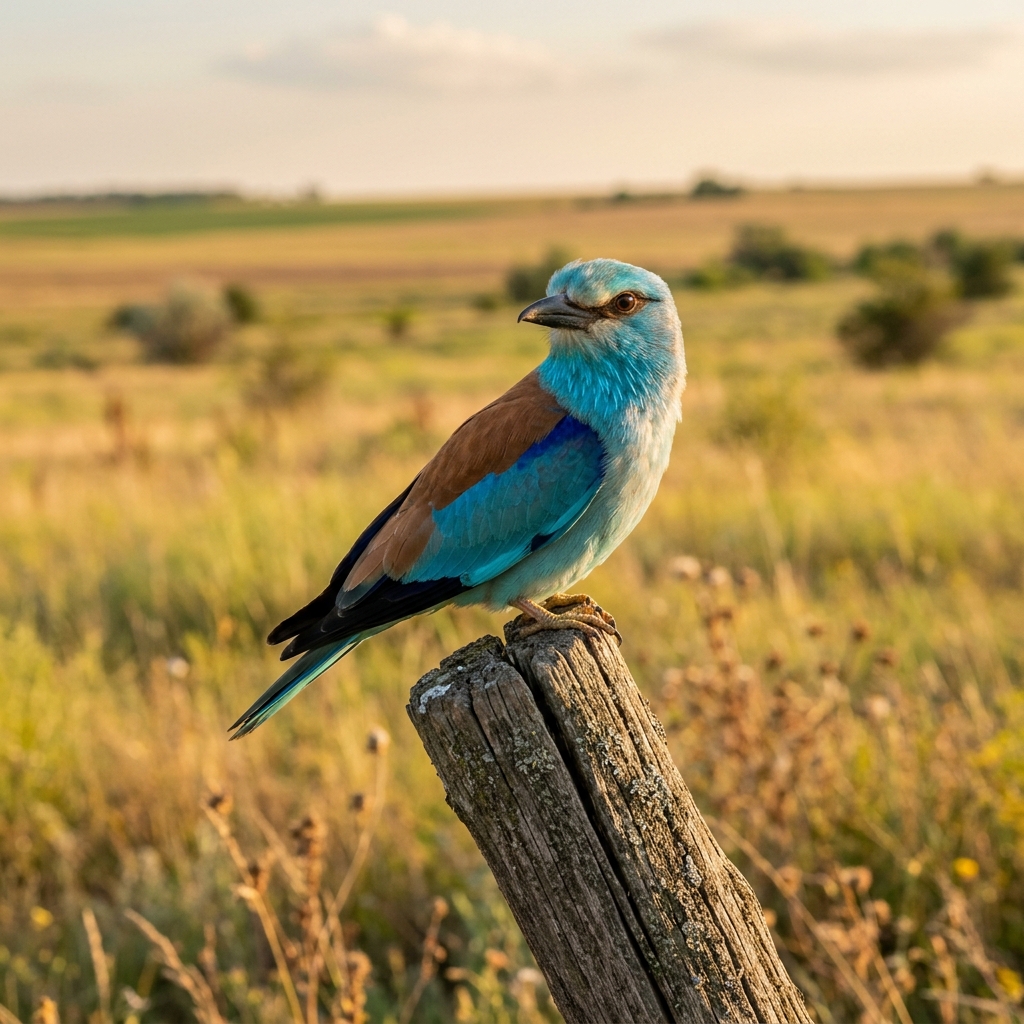
Hungary is one of the last European strongholds — the vivid blue body and orange-brown back make it unmistakable on wires and posts across the eastern grasslands.
Nests in old Rook colonies on the Puszta — post-breeding flocks of hundreds gather in August before migrating south, hunting insects over grasslands.
One of Europe's most threatened passerines — this streaky marsh warbler breeds in Hungary's wet sedge meadows, now reduced to a tiny fraction of former range.
Unlike the familiar White Stork, the Black Stork is a shy forest bird nesting in ancient oak and beech forests in Hungary's northern highlands.
Nests in large mixed heronries at Hortobágy's famous fishponds — sweeping the spatula bill through shallow water in tight groups to herd small fish.
Free: Backyard Birds ID Chart
Printable PDF — verified eBird data
Ready to Bird Hungary?
Use our smart trip planner to get a custom itinerary — best hotspots, species targets, and seasonal timing tailored to your visit.