Why Japan Is a World-Class Birding Destination
Japan's archipelago stretches 3,000 km from subarctic Hokkaido to subtropical Okinawa, spanning five climate zones. This latitudinal range, combined with island isolation, has produced over 640 recorded species, including 15 endemics found nowhere else on Earth.
Japan also offers something rare in Asian birding: excellent infrastructure. Reliable trains, clean accommodations, safe travel, and well-maintained national parks make it one of the most comfortable birding destinations in Asia.
Endemic and Near-Endemic Species
| Species | Region | Best Season | Difficulty |
|---|---|---|---|
| Japanese Green Woodpecker | Honshu, Shikoku | Year-round | Easy |
| Copper Pheasant | Honshu mountains | Apr – Jun | Moderate |
| Japanese Accentor | Alpine zones | May – Sep | Moderate |
| Okinawa Rail | Yanbaru, Okinawa | Year-round | Moderate |
| Amami Woodcock | Amami-Ōshima | Year-round | Difficult |
| Lidth's Jay | Amami-Ōshima | Year-round | Easy |
| Izu Thrush | Izu Islands, Hachijō-jima | Year-round | Moderate |
| Ryukyu Robin | Okinawa | Oct – Apr | Moderate |
| Japanese Murrelet | Offshore islands | Mar – Jun | Difficult |
Best Birding Regions
Hokkaido (Winter: December – March)
Hokkaido in winter is bucket-list birding. The star attractions:
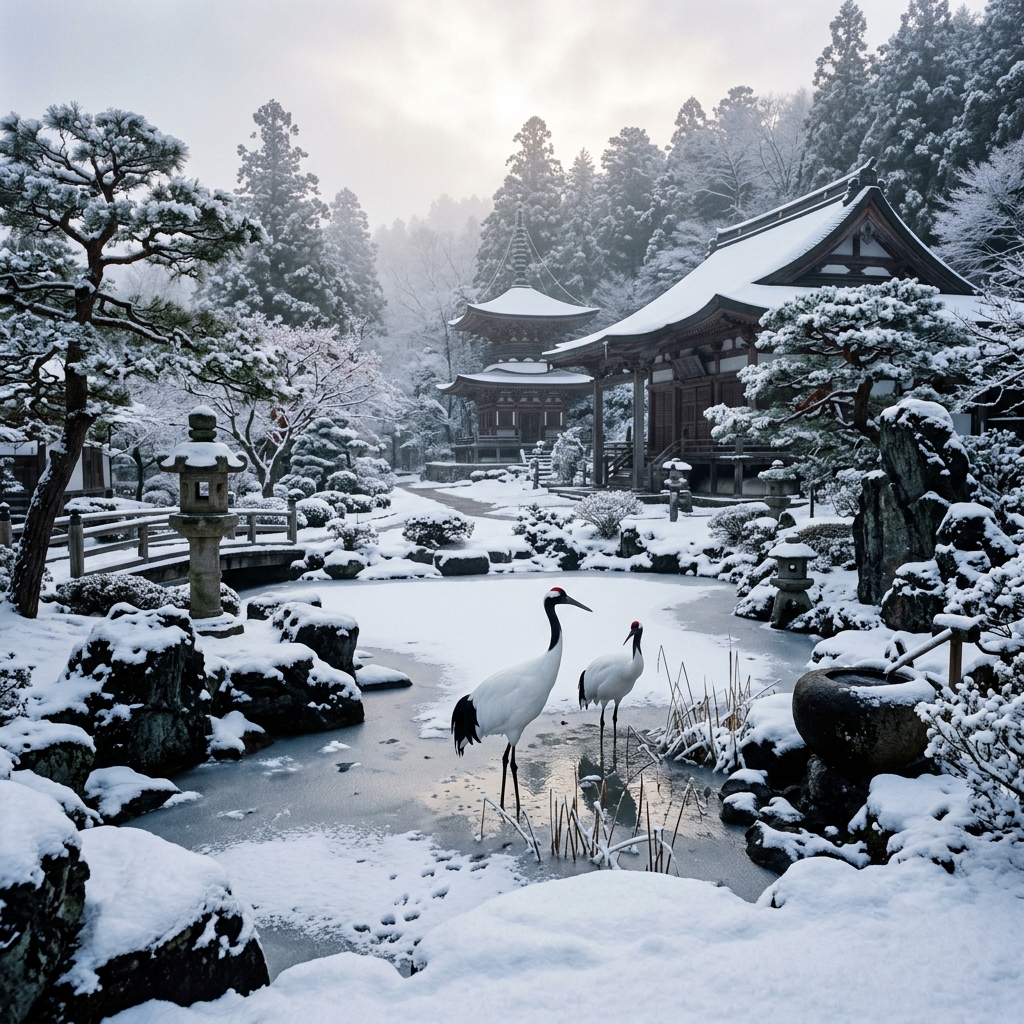
- Red-crowned Crane: Resident population of ~1,800 birds. Tsurui-Ito Crane Sanctuary offers guaranteed sightings and sunrise photography.
- Steller's Sea Eagle: The world's heaviest eagle winters along the Shiretoko coast. Rausu boat trips put you within meters of 30+ eagles.
- Blakiston's Fish Owl: The world's largest owl. Two lodges in Hokkaido offer reliable night viewing.
- Other highlights: Whooper Swan concentrations, Spectacled Guillemot, Japanese Crane courtship dances
Central Honshu (Spring: April – June)
- Karuizawa: Mountain forests with Japanese Green Woodpecker, Narcissus Flycatcher, and Blue-and-white Flycatcher
- Mount Fuji area: Alpine species including Japanese Accentor and Rock Ptarmigan (above 2,500m)
- Tokyo area: Surprising urban birding at Meiji Jingu shrine garden and Yatsu-higata tidal flats
Okinawa and Nansei Islands (Year-round)
- Yanbaru Forest, Okinawa: Home to the critically endangered Okinawa Rail (discovered only in 1981)
- Amami-Ōshima: Lidth's Jay (spectacular blue corvid) and Amami Woodcock
- Best approach: Guided night drives for rails and woodcocks
Seasonal Calendar
| Season | Highlights |
|---|---|
| Winter (Dec – Mar) | Cranes, sea eagles, Blakiston's Fish Owl in Hokkaido. Wintering raptors on Honshu. |
| Spring (Apr – May) | Migration. Breeding plumage. Cherry blossom backdrop. Mountain species accessible. |
| Summer (Jun – Aug) | Alpine species. Seabird colonies. Hot and humid in lowlands. |
| Autumn (Sep – Nov) | Southbound migration. Raptor passage over Miyako-jima and other islands. |
Practical Tips
- Japan Rail Pass covers most intercity travel and is excellent value for multi-region trips
- Guided tours: Japan Bird Watching Tours and Birding Asia offer small-group itineraries
- Language: English signage exists at major parks but is limited elsewhere. Learn basic Japanese phrases and carry a translation app.
- Budget: Japan is moderately expensive. Expect $150–$250/day for accommodation, food, and local transport.
- Equipment: 400-600mm lens for cranes and eagles. 100-400mm for forest species. Tripod essential for owls.
Find your perfect birding location next
Use our smart planner to discover the best spots matched to your experience level and the birds you want to see.